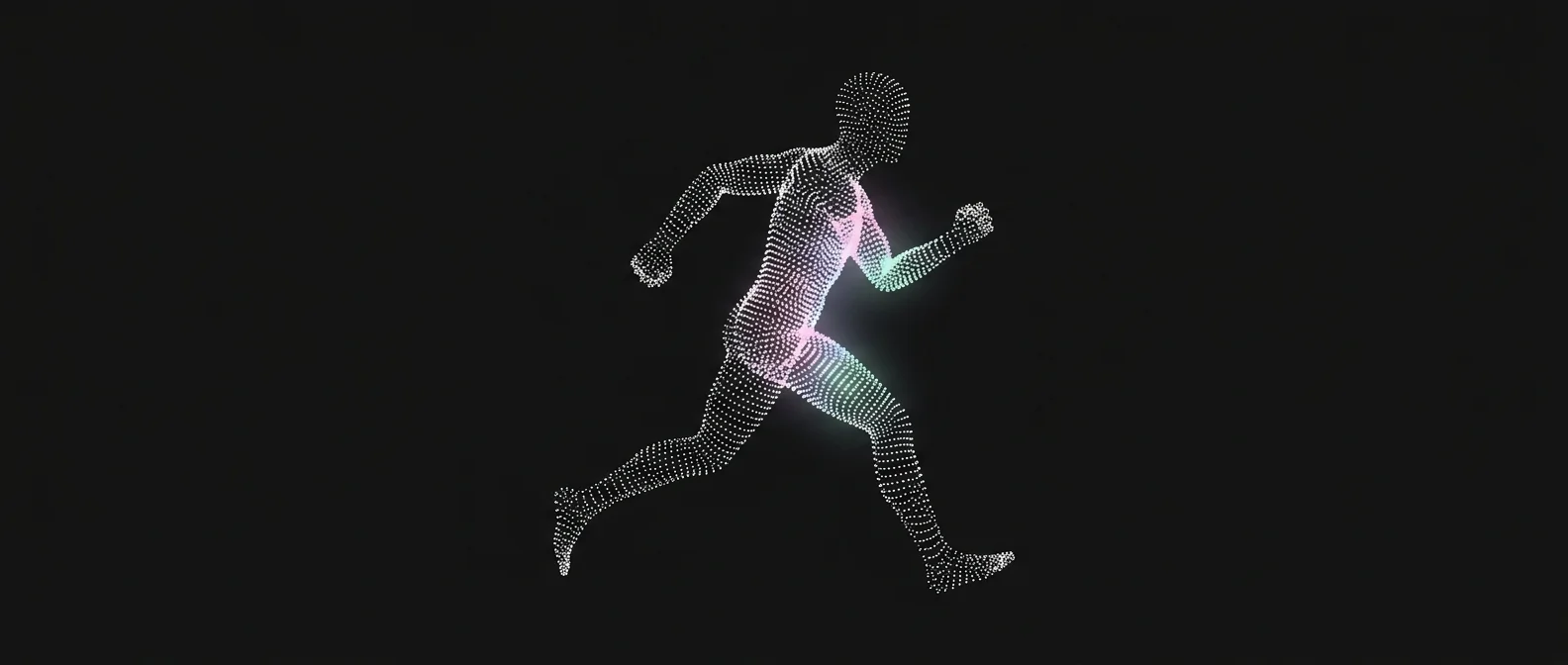
Humanoids finish Beijing half-marathon as Google ships a reasoning brain for robot bodies
On the same weekend DeepMind released Gemini Robotics-ER 1.6 — a model tuned for spatial reasoning and long-horizon planning — a field of humanoids completed 21 kilometers at a record human-class pace.

The Beijing course was flat and supervised. The Gemini release was not. Together they mark the quietest possible inflection: embodied AI that is no longer surprising, only fast. Analysts now expect the first domestic, single-task consumer robots to reach shelves before the end of the year, at price points that would have read as implausible twelve months ago.
For most of the past decade, humanoid robotics has been a demonstration category — funded generously, shipped rarely. Two things shifted in parallel this quarter. Chinese manufacturers compressed the bill of materials on a competent bipedal chassis below the twenty-thousand-dollar line, and DeepMind's robotics team decoupled the reasoning model from the body it controls. Gemini Robotics-ER 1.6 is distributed as a planning layer any compliant chassis can call, which means the Beijing field and the Mountain View model release are, functionally, the same story told from two ends.
The winning human time at the Beijing half was roughly an hour and nine minutes; the leading humanoid finished in an hour and forty-one, with four of the top ten robots completing the course without a tether swap, according to race officials. DeepMind's accompanying benchmarks, which the company describes as internal and not yet peer-reviewed, claim a meaningful jump in long-horizon task success — the class of problem, researchers note, that covers everything from folding laundry to unloading a delivery truck.
The winners are the chassis manufacturers who can now amortise their hardware cost across a reasoning layer they did not have to build, and the cloud providers renting inference by the minute to every garage robotics team on earth. The losers are the vertically integrated humanoid startups whose pitch was a proprietary brain. That pitch has quietly lost its premium.
What the weekend opens up is a market in which embodiment is cheap and cognition is rented. What it forecloses is the romantic version of the robotics company — the single firm building hand, eye, and mind under one roof. The Beijing runners crossed the line on schedule. The more consequential race, the one for which chassis ships with which brain, started the same morning and has no finish tape.