Clicks shifts the Communicator to Q4 production as physical keyboards force a custom Android launcher
The transition from accessory maker to original equipment manufacturer requires an operating system that acknowledges the hardware layout.

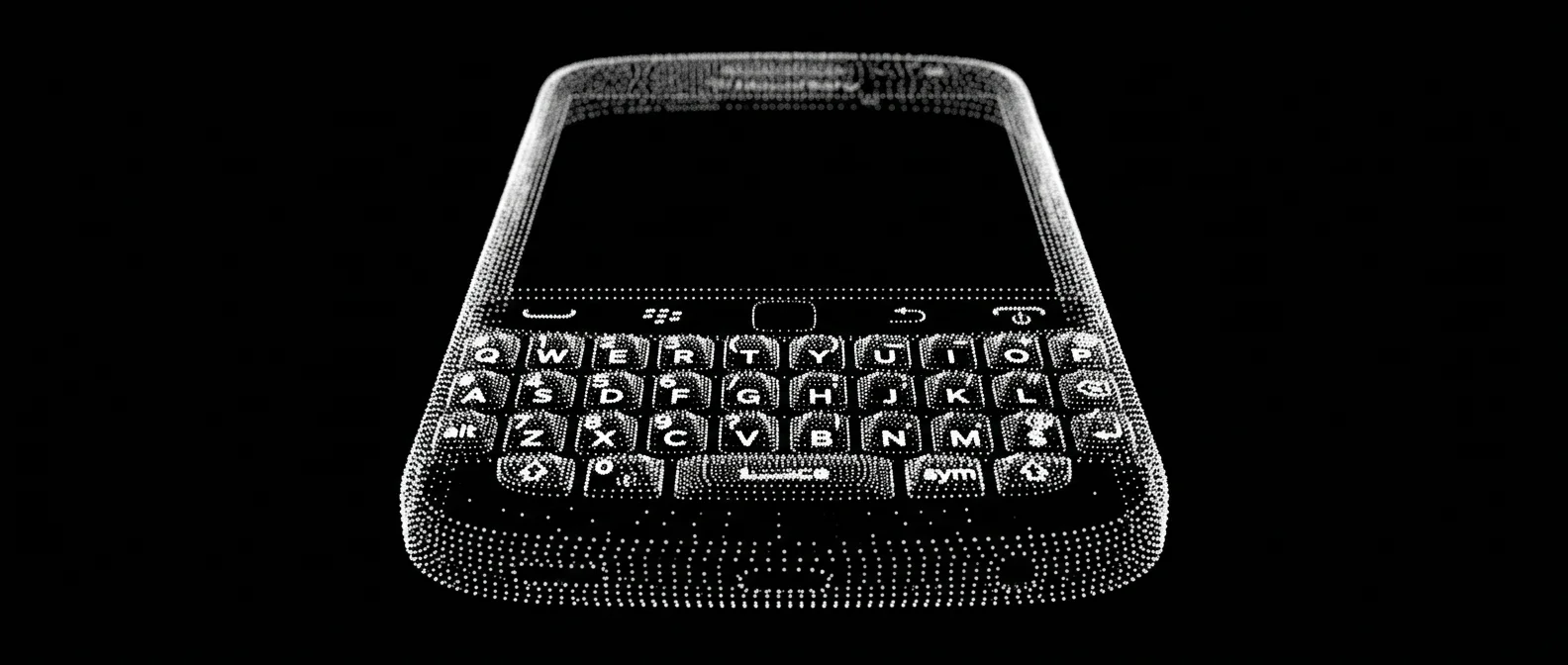
The seam between a tactile switch and a capacitive display is no longer a peripheral attachment; it is an operating system constraint. Clicks, the hardware firm that built its initial footprint by wrapping existing smartphones in mechanical keyboards, is absorbing that seam into a standalone device. The Clicks Communicator, a self-powered Android handset with a fixed physical keyboard and a condensed upper display, has locked its production timeline for the fourth quarter of 2026. The shift marks a transition from accessory manufacturer to original equipment manufacturer—a pivot that forces the company to own the entire hardware stack rather than just the bottom edge.
The mechanism driving the delay from its initial preview to a late-year delivery is software integration. Building a case requires only a basic data handshake; building a phone requires an interface that acknowledges the physical keys as the device’s primary navigation tool. To bypass the engineering burden of a custom Android fork, Clicks is partnering with the developers of Niagara Launcher to dictate the on-screen experience. Working units are scheduled for June, with third-quarter regulatory certifications determining the final assembly run. The timeline reflects the reality of supply chain minimums for a niche form factor.
The physical geometry of a stacked device changes how the body interacts with the operating system. When the thumb finds the physical space bar, the reach to the top of a traditional glass slab becomes ergonomically hostile. By condensing the display and relying on a vertical, list-driven launcher, the engineering team is attempting to keep all interactive elements within the natural arc of the lower hand. It’s a deliberate rejection of the media-first aspect ratios that have defined mobile hardware for a decade, trading video immersion for text-entry speed.
The winners in this hardware cycle are independent software vendors like Niagara, who gain a reference device that validates alternative interface paradigms outside the dominant grid of icons—a layout that has remained largely static. The losers are the established accessory markets that assumed tactile typing would remain a modular add-on rather than a core hardware thesis. By committing to a dedicated device, Clicks is betting that a specific subset of productivity-focused users will carry a second, highly opinionated piece of hardware rather than compromise on a primary slab.
What this production run forecloses is the assumption that the physical smartphone keyboard is a dead lineage, relegated to historical patents and failed licensing attempts. What it opens is a viable model for micro-OEMs to ship highly specific, low-volume hardware by offloading the interface layer to specialized software partners. If the Communicator ships on schedule for the 2026–2027 cycle, it proves that the mobile market can still sustain hardware that refuses to be a generic pane of glass.