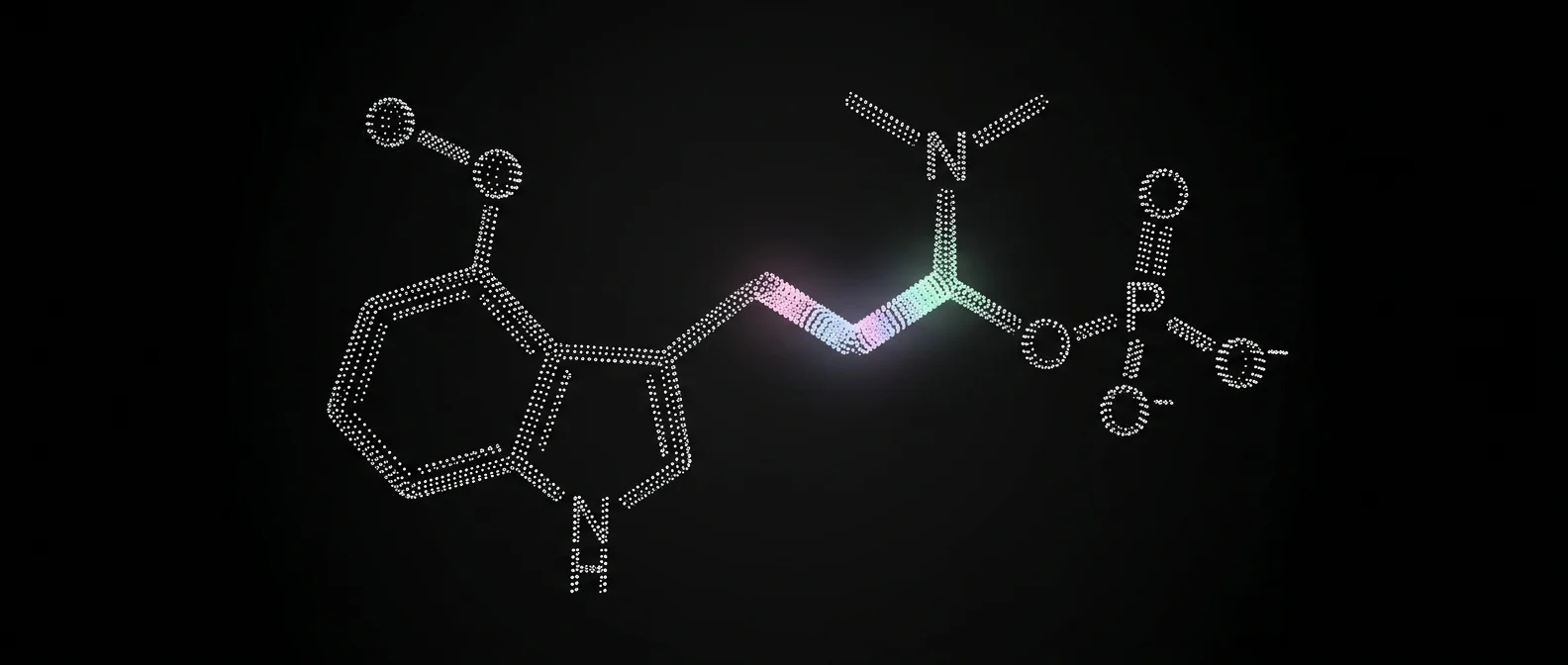
FDA issues three priority review vouchers for psychedelics as the White House compresses the approval timeline
Compass Pathways, Otsuka Pharmaceutical, and the Usona Institute secured the initial designations for psilocybin and methylone therapies targeting depression and PTSD.

The US regulatory apparatus has formally compressed the commercialization timeline for schedule-1A regulatory classification for drugs deemed to have a high potential for abuse and no accepted medical use, imposing severe restrictions on scientific research and commercial distribution. compounds. The Food and Drug Administration issued three "national priority" review vouchers to developers of psychedelic medicines, effectively bypassing standard queueing for therapies targeting major depressive disorder and post-traumatic stress disorder. The move marks a structural shift in how the federal government handles compounds historically defined by their prohibition.
The designations follow a White House executive order directly instructing the Department of Health and Human Services to accelerate the development of psychedelics for severe mental health conditions. In response, the FDA is finalizing new clinical guidance and deploying the priority vouchers—a regulatory instrument that guarantees an expedited review process once a new drug application is submitted. For developers, this mechanism shaves months off the standard timeline, fundamentally altering the capital requirements and burn rates associated with late-stage clinical trials.
The initial three vouchers were distributed across both commercial and non-profit entities, signaling a broad mandate rather than a single-company endorsement. Compass Pathways and the non-profit Usona Institute received designations for their respective psilocybin programs, which are currently moving through trials for treatment-resistant depression and major depressive disorder. Otsuka Pharmaceutical secured the third voucher for its methylone compound directed at PTSD. The inclusion of a major incumbent like Otsuka alongside a non-profit and a specialized biotech indicates that the regulatory pathway is now open to the wider pharmaceutical industry.
The winners are the clinical-stage psychedelic developers who now possess a tangible regulatory asset, and the institutional investors who can finally model a predictable, de-risked path to market. The priority status effectively lowers the barrier to raising the hundreds of millions required for Phase 3The final, large-scale phase of clinical testing required by the FDA before a new drug can be approved, designed to definitively prove efficacy and monitor adverse reactions across a broad patient population. trials. The losers are traditional psychiatric drug manufacturers whose standard-of-care SSRISelective Serotonin Reuptake Inhibitor. A widely used class of antidepressant medications that increase serotonin levels in the brain, currently representing the standard of care for major depressive disorder. dominance faces accelerated, novel-mechanism competition, and the secondary tier of psychedelic startups that must now compete against fast-tracked frontrunners for limited trial participants and clinical capital.
What the distribution of these priority vouchers forecloses is the era of regulatory ambiguity that kept major pharmaceutical balance sheets on the sidelines of psychedelic research. The federal government has explicitly signaled that it views these compounds as necessary medical infrastructure. What the policy opens is a compressed, high-stakes sprint to commercialization, where the primary bottleneck for psilocybin and methylone therapies is no longer the FDA's willingness to review them, but the clinical data itself.