

The seam between the tactile switch and the capacitive display on the Clicks Communicator prototype is a 0.4–0.6mm polycarbonate ridge. The hand finds it immediately. When the thumb sweeps upward from the physical space bar toward the glass, it hits that minute physical boundary—a deliberate interruption in the otherwise continuous glide of modern mobile navigation. The engineering team built this join not as a compromise, but as a border wall. It is the place where the hardware refuses to vanish, deliberately reintroducing the friction of the seam. Eight years of smartphone design have trained the wrist to expect a smooth, uninterrupted sheet of glass that dissolves into the palm. This device demands to be held like a tool.
A custom Android launcher is the immediate consequence of that geometry. Because the body cannot comfortably reach the top corners of a stretched slab while balancing the lower keyboard, the software must concede to the physical constraint. Clicks partnered with the developers of Niagara Launcher to condense the interactive elements into a vertical list, keeping everything within the natural arc of the resting hand. The product team is trading the immersive, media-first aspect ratio for raw text-entry speed. By shifting to a Q3–Q4 production timeline to finalize this software integration, Clicks is transitioning from an accessory maker to an original equipment manufacturer. They are proving that the mobile market can still sustain hardware that refuses to be a generic pane of glass.
The bezel is the argument. We have spent a decade engineering friction out of the interface, treating the seamless slab as the ultimate evolutionary form of consumer hardware. The dominant design philosophy dictated that the device should vanish, leaving only the content. But the flat, featureless rectangle is an ideological dead end. The sudden resurgence of opinionated hardware and decoupled software controls suggests a structural pivot across the entire ecosystem—the interface is no longer trying to disappear; it is reasserting its boundaries. When the hardware vanishes, the user loses their leverage.
The sudden resurgence of opinionated hardware and decoupled software controls suggests a structural pivot across the entire ecosystem—the interface is no longer trying to disappear; it is reasserting its boundaries.
Look at the update dialog in Windows 11—a purely digital join where Microsoft’s security mandate meets the user’s immediate workflow. For ten years, Microsoft's philosophy of “Windows as a Service” treated the operating system as a tightly controlled environment, overriding the local administrator to maintain a unified security baseline. Now, the power menu has been permanently decoupled from the mandatory update queue. The friction was always felt at the end of the day, when the hand reaches for the mouse to power down, only to find the hardware held hostage by a patch. By allowing users to indefinitely defer updates, Microsoft is surrendering to the friction of the seam. They are acknowledging that the user's local, immediate workflow must supersede the network's automated maintenance schedule. Persuasion has replaced force.
This reassertion of boundaries is equally visible at the regulatory layer, where the interface itself is being weaponized as a checkpoint—a friction point lawmakers demand but operating systems have yet to standardize. In Manitoba, lawmakers are attempting to group the conversational AI prompt box with the algorithmic infinite scroll, demanding a hard age-verification screen for minors. But the legislative mandate lacks a technical architecture. To successfully block a minor, the platform must verify an adult, which requires device-level biometric handoffs or third-party identity routing. The moment an interface demands a passport scan simply to ask a large language model a question, the onboarding funnel collapses under the latency. Regulators are trying to legally mandate the friction of the seam, turning a simple text box into a cryptographic border crossing. They are doing this exactly as frontier models are shipping native audio outputs that erase the final latency barriers between machine generation and human conversational overlap. The software wants to be seamless; the state wants a wall.
The 0.4-millimetre polycarbonate ridge on the Communicator is a position on autonomy. The product team is arguing that the user's attention should be grounded in deliberate, tactile action, and the engineering team has built a CNC tolerance that makes that argument impossible to ignore. Whether it is a physical keyboard forcing a custom launcher, a decoupled power button returning control to the local administrator, or a cryptographic age gate halting a chatbot prompt, the era of frictionless immersion is closing. The industry is relearning that constraints are not inherently hostile. Sometimes, they are the only thing giving the user a grip. The body prefers the boundary.
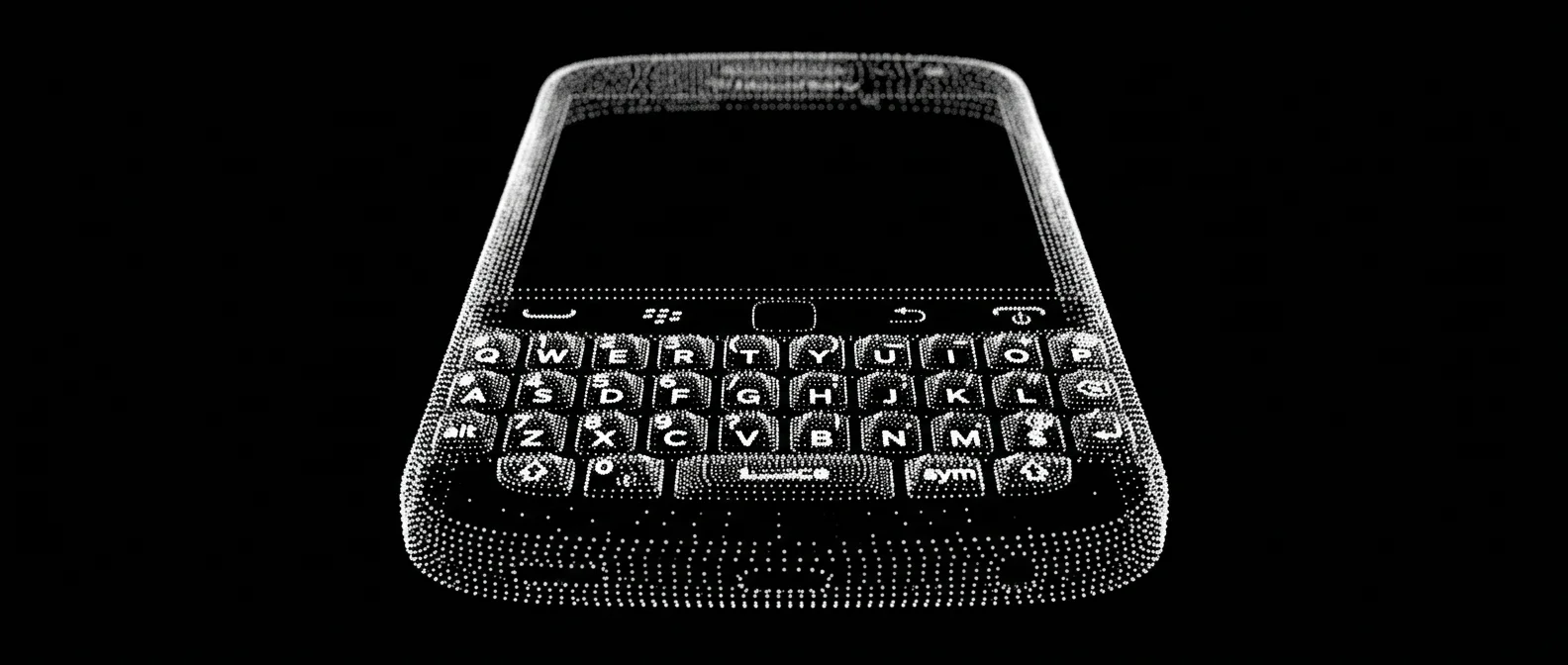
Clicks shifts the Communicator to Q4 production as physical keyboards force a custom Android launcher
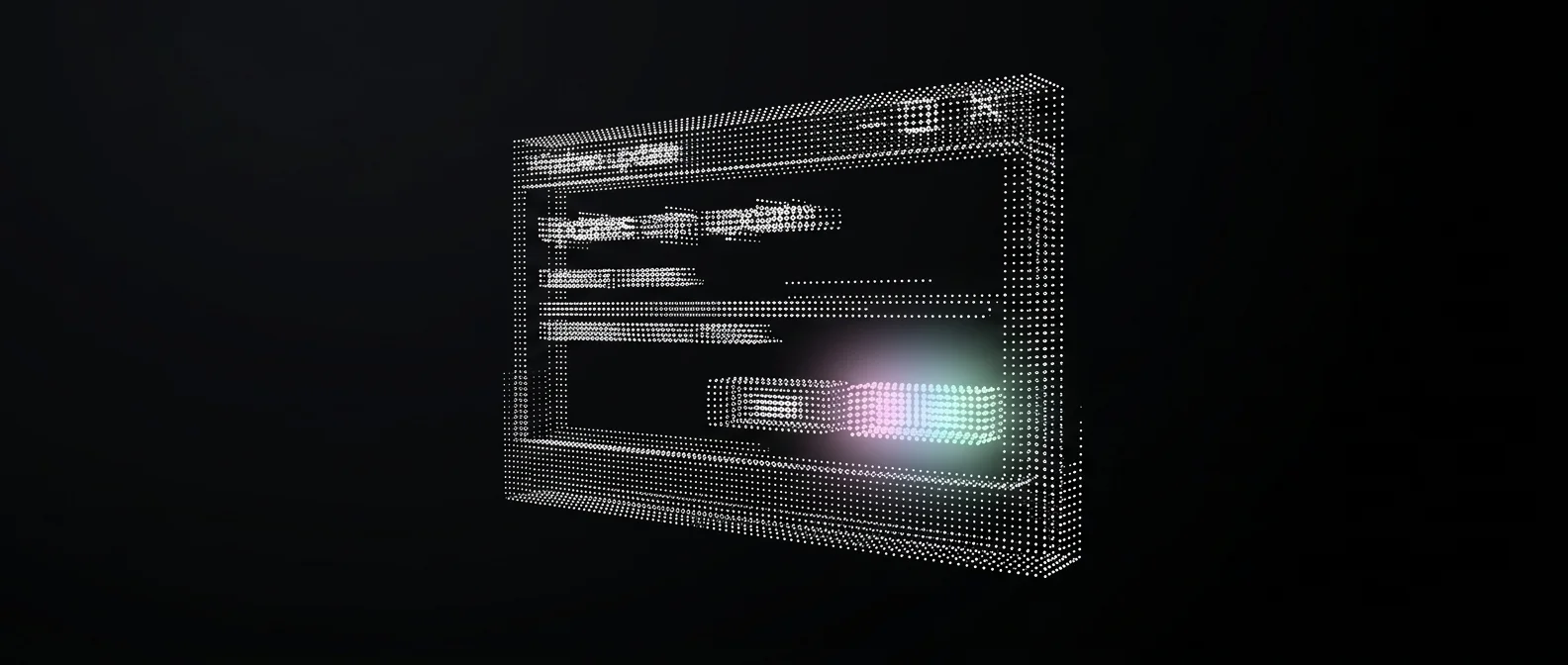
Microsoft dismantles the forced Windows 11 update as the decade-long philosophy of mandatory patching yields to user friction
Manitoba proposes youth ban on chatbots as lawmakers group conversational AI with algorithmic social feeds